Loading...
Serving El Cerrito, CA and surrounding areas. (510) 766-7623
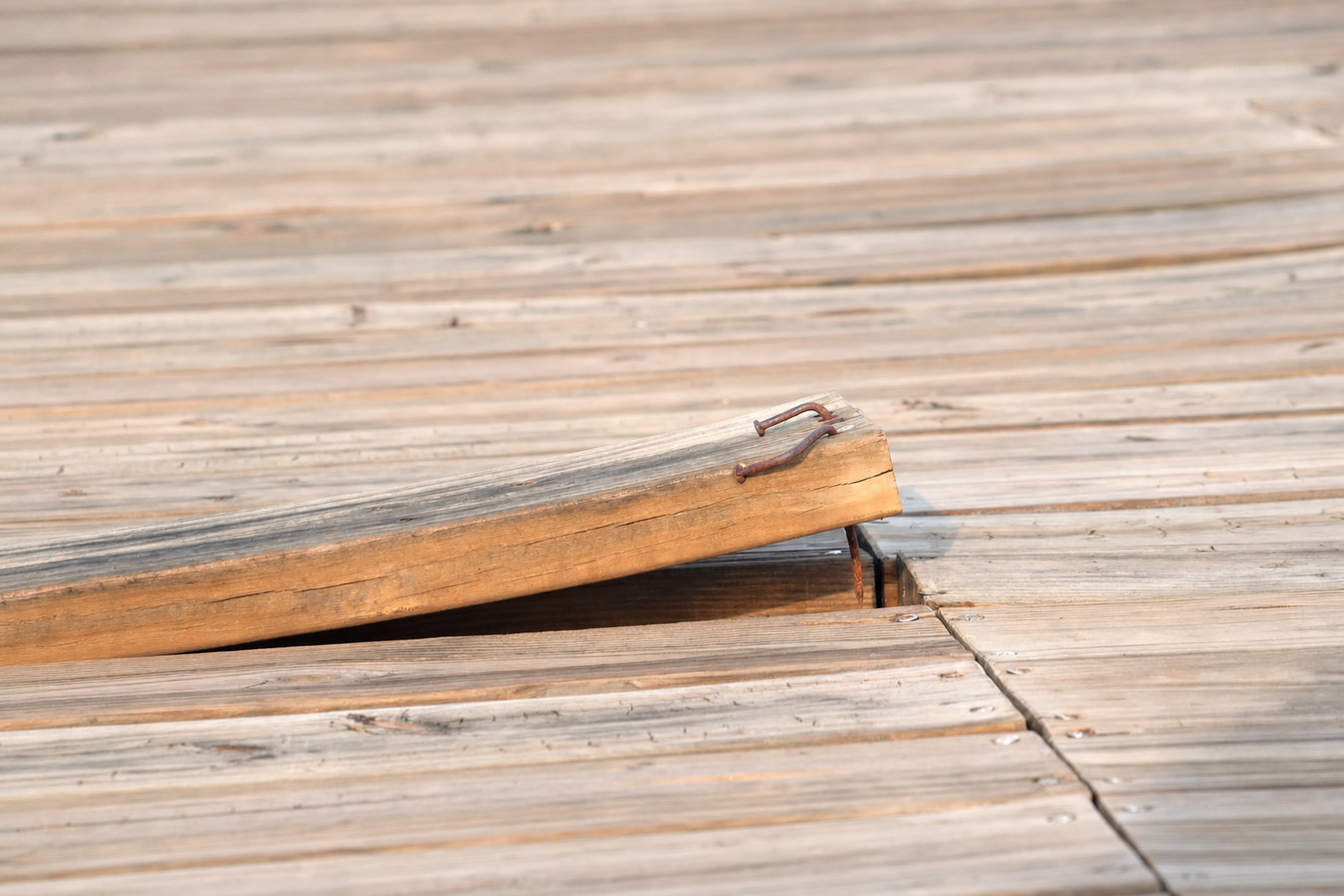
Soft boards, wobbly railings, and rot hiding at the posts are all signs your deck needs more than a coat of sealant. We check the full structure, tell you what is actually wrong, and fix it correctly.
Deck repair and replacement in El Cerrito involves a full structural assessment before any work starts, and most repair jobs take one to two days while full replacements typically run three to five days of construction after the permit is approved.
The answer to repair versus replace is not always visible from the surface. A deck that looks rough on top may only need a few boards swapped out - but one that looks fine on the surface could have rotting posts and a failing ledger connection underneath. El Cerrito's coastal moisture is especially hard on wood structures, which means decay often starts where homeowners never think to look: the base of the posts and the point where the deck attaches to your house.
If you are working with a structure that has outlived simple repairs, our cedar wood deck construction and other new-build options give you a fresh start on materials and design. But the first step is always an honest assessment of what you actually have.
If you notice give or bounce underfoot when you walk across your deck - especially near the edges or in shaded areas - the wood has started to rot from the inside out. In El Cerrito's damp climate, this kind of decay can happen faster than homeowners expect, particularly on the north-facing side that does not get much sun to dry out after rain.
Stand at the edge of your deck and give the railing a firm push. It should feel completely solid - no wobble, no flex, no creaking. If it moves at all, the posts or connections holding it in place have weakened. This is especially common on older El Cerrito decks where the original hardware has rusted out over years of exposure to coastal moisture.
Look at the point where your deck connects to your home's exterior wall. If you can see a gap, if the wood looks dark and stained, or if the connection seems to be pulling away from the siding, water has been getting in. This is one of the most serious problems a deck can have, because the damage often extends into your home's framing.
A deck that stays damp for long periods - common in El Cerrito from November through March - will develop dark staining, green moss, or black mold on the surface. Some of this is cosmetic, but persistent discoloration that keeps coming back after cleaning usually means the wood has absorbed moisture deeply and is beginning to break down.
We handle both targeted repairs and full replacements, depending on what the structure actually needs. For repairs, we check the framing, posts, and ledger connection before touching anything on the surface - because fixing boards without checking underneath is how homeowners end up paying twice. Homeowners who want to move to a lower-maintenance surface material after their repair can also look at our deck staining and sealing service to protect whatever goes back on top.
For full replacements, we demo the old structure, set new footings to current standards, build a proper frame, and install the new decking and railings. If you want to switch materials on the new build - from wood to composite, or from one wood species to another - we can walk you through the options that hold up best in El Cerrito's climate. Our cedar wood deck construction page covers that path in more detail for homeowners who want to stay with natural wood.
Best for decks with isolated damage where the structural framing is still solid and the posts are in good shape.
For decks where the surface looks manageable but the framing, posts, or ledger connection underneath have been compromised by rot or shifting.
Suits homeowners whose deck is more than 15 to 20 years old, has widespread rot, or was originally built to standards that are now out of date.
For homeowners whose decking surface is still sound but whose railings are wobbly, rusted through, or no longer meet current safety height requirements.
El Cerrito has a large stock of homes built in the 1940s through 1970s, and decks added to those homes during that era were often built to standards that have since been updated. Railing heights, post footing depths, and ledger attachment methods have all changed over the decades. If your deck is more than 20 years old, there is a reasonable chance it does not meet today's safety requirements - not because it was built badly at the time, but because the rules have evolved. A replacement project brings everything up to current standards and gives you documented proof that it passed city inspection.
Homeowners in El Sobrante, CA and Richmond, CA face similar challenges - aging housing stock, hillside lots, and the persistent coastal moisture that accelerates wood decay. We work across all of these East Bay communities and know what local building departments expect at inspection. If you are unsure whether your deck just needs a repair or a full replacement, an on-site assessment is the only way to know for certain.
We respond within one business day. During the visit, we walk the deck and check the framing, posts, and ledger connection - not just the surface. This is where we determine whether you need a repair or a full replacement.
You get a written quote with a clear breakdown of what needs to happen and why. For structural work, we file the permit with the City of El Cerrito Community Development Department. The permit fee is included in the project quote - confirm this before signing any contract.
Clear the deck of furniture and anything stored underneath it before the crew arrives. For a full replacement, demo happens first, then new footings and framing. A city inspector visits at least once during the framing phase - we coordinate that visit.
When work is complete, the city does a final inspection. We do a walkthrough with you, haul away all debris, and walk you through any maintenance schedule for the new surface. Keep your permit and final sign-off - you will want those documents if you ever sell.
We come out, check the full structure, and give you a straight answer - no sales pitch, no obligation.
(510) 766-7623Every assessment starts underneath - posts, framing, and the ledger connection to your house. That is where El Cerrito's coastal moisture causes the most damage, and it is where cosmetic-only contractors miss the real problem. You get an honest report on what we find before any work begins.
Elevated decks on El Cerrito's sloped lots require deeper footings, more framing, and in some cases engineered drawings for the permit. We assess your specific grade before quoting - so there are no surprises in the middle of the project when someone notices the site is more complex than expected.
We file the permit with the City of El Cerrito, coordinate every required inspection, and make sure the final sign-off is documented. A deck that has been properly permitted and inspected is an asset when you sell. An unpermitted one can become a negotiating point that costs more than the repair did.
The North American Deck and Railing Association publishes current safety standards for deck construction. We follow those standards on every project - railing heights, fastener specs, footing depths - because that is what the city inspector is checking too.
Deck collapses are rare, but when they happen, a failed ledger connection or rotten post is almost always the cause. We build and repair to the standard the city inspector will verify - because we want the deck to pass, and we want it to still be solid in ten years.
After repairs are complete, staining and sealing protects the new surface from El Cerrito's coastal moisture and extends the life of the wood.
Learn MoreIf your structure is too far gone for repair, cedar is a naturally rot-resistant material for a full replacement that holds up well in the Bay Area's damp climate.
Learn MoreWe are booking spring projects now - get your permit process started before the rush so work can begin as soon as the weather cooperates.