Loading...
Serving El Cerrito, CA and surrounding areas. (510) 766-7623
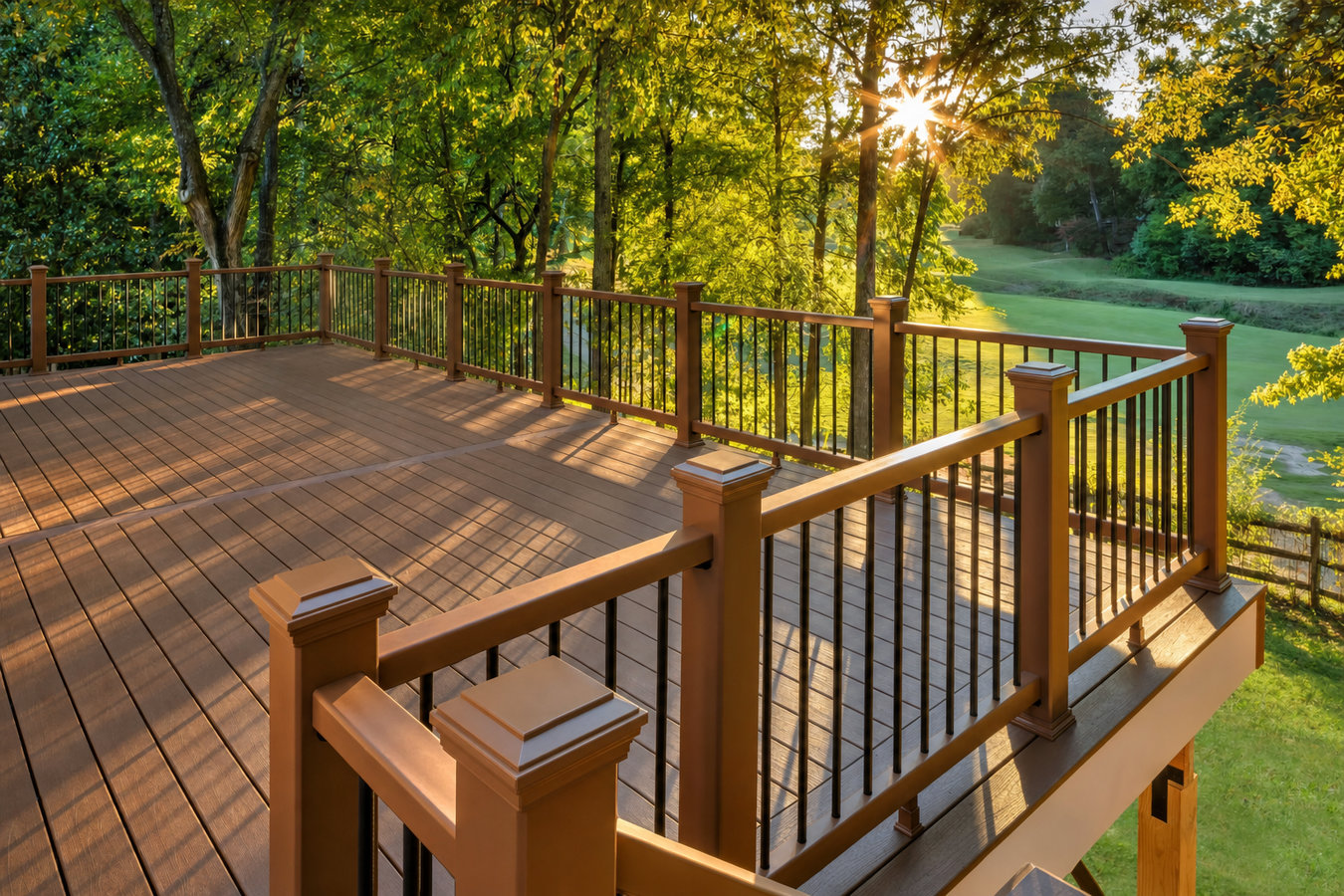
A loose or outdated railing is a safety problem and an inspection risk. We install and replace deck railings in El Cerrito with proper post anchoring, current code compliance, and materials chosen to hold up through the Bay Area fog and wet winters - not just look good on day one.
Deck railing installation in El Cerrito covers anything from replacing a single failing railing section to installing a complete new system on a freshly built deck - most standard single-family projects are completed in one to two days once materials arrive, and they bring an aging or non-compliant deck up to current California safety requirements.
In El Cerrito, a railing is not optional once a deck sits 30 inches or more off the ground - California law requires one, and many of the homes in this city have elevated decks on hillside lots that sit well above that threshold. The issue is that a lot of those railings were installed decades ago, when the requirements around height and baluster spacing were less strict. A railing that has not been replaced since the 1970s or 1980s almost certainly would not pass a current inspection. If you are planning to sell your home, host guests on an elevated deck, or simply want confidence that the structure is actually safe, the railing is the place to start. For homeowners who are also considering a broader deck upgrade, our custom deck design and build service can incorporate new railings as part of a full rebuild.
The critical detail that separates a good railing installation from a poor one is how the posts are anchored. Posts bolted into the structural framing of the deck - not just the surface boards - are what make a railing hold under real force. You can test yours right now: grab the top rail and push firmly sideways. If there is meaningful movement, the anchoring is inadequate. A railing that wobbles is not just inconvenient - at elevation, it is a genuine fall hazard, and it is one of the most common issues we find on deck railings that have not been inspected in years.
Stand at the top rail and push it firmly sideways. If it moves more than a little, the posts are no longer anchored securely. This is the most important safety signal - a loose railing can fail suddenly under the weight of a leaning adult and will not give you a warning before it does. On elevated El Cerrito decks, that is a serious risk.
El Cerrito's foggy, damp winters are hard on wood railings that were not sealed or maintained regularly. If the wood has turned gray, feels soft when you press on it, or shows dark staining near the base of the posts, rot has set in. Rotted posts cannot be painted over or patched - they need to be replaced, and the sooner the better before the decay spreads into the deck framing.
Look at the spacing between the vertical pieces that fill in your railing. If you can fit your fist through the gap easily, the spacing is likely wider than current California safety standards allow. This matters most if you have young children or grandchildren who use the deck. The gap requirement exists because of the risk of a small child getting their head stuck.
Many El Cerrito homes have decks added or modified decades ago, when railing height requirements were lower than they are today. If your deck sits more than a couple of feet off the ground and the railing feels low - below your hip when standing - it may not meet current standards. This is worth addressing before a home inspection or before hosting a gathering on the deck.
Every railing project starts with a site visit. We measure the deck, assess the existing framing condition, and look at how the current railing is - or is not - anchored to the structure. On older El Cerrito decks, we occasionally find that the posts were attached only to the decking boards rather than the underlying joists and beams - which means the whole railing has been depending on surface wood rather than structural framing. Finding that during a replacement is far better than finding it during a fall. For homeowners building a new deck who want railings integrated from the start, we handle railing as part of any multi-level deck project. And for homeowners who want full design control over their outdoor space, railings are part of our custom deck design and build service.
Material selection matters in El Cerrito more than in most places, because the Bay Area's marine climate is genuinely hard on hardware and finishes that were not chosen with moisture in mind. We carry and install wood, aluminum, composite, vinyl, and cable railing systems, and we recommend materials specifically based on how they perform in near-coastal East Bay conditions - not just how they look in a product catalog. Every railing installation is anchored into the structural framing, fastened with corrosion-resistant hardware, and built to the post height and baluster spacing that current California requirements call for.
For decks with failing, rotted, or non-code-compliant railings - complete removal of the old system and installation of new posts, rails, and infill anchored into the structural framing.
For newly built decks or decks that were originally built without railings and now require them due to height - full system designed and installed from scratch to current code.
For decks where one or two sections are failing but the rest of the railing is structurally sound - targeted replacement without replacing the entire perimeter.
For homeowners who want to switch from an aging wood railing to aluminum, composite, cable, or glass - existing posts removed, new system installed in the same footprint with improved durability.
A significant share of El Cerrito homes sit on hillside lots where the deck is elevated well above the ground - sometimes 8, 10, or 15 feet. At that height, railing is not a decorative detail. It is the primary safety barrier between your deck and a serious fall, and the way the posts are anchored matters enormously. On a hillside deck, the framing conditions are different from a flat suburban yard - the posts may be longer, the connections to the structure more complex, and the inspection requirements more rigorous. A contractor who has only installed railings on ground-level decks in flat neighborhoods is not the same as one who has worked on elevated hillside decks in the East Bay hills. Homeowners in Kensington face exactly these conditions on their hillside lots, and the work there informs everything we do in El Cerrito.
The marine climate adds another layer. El Cerrito's fog and moisture accelerate rust on standard metal hardware and shorten the life of finishes that hold up fine in drier inland cities. Choosing the wrong fasteners for this environment means a railing that starts to fail in a few years rather than lasting a decade or more. The North American Deck and Railing Association publishes guidance on moisture-resistant construction practices that we use as a baseline for every project. Homeowners in nearby Richmond deal with the same coastal moisture conditions, and our material and hardware choices there reflect the same thinking.
You describe your deck and what you want to change or replace, and we schedule a time to come take a look. The estimate visit usually takes 30 to 45 minutes - we measure the deck, look at the existing railing and framing condition, and talk through your material options and budget. We reply within one business day of your inquiry.
If the project involves replacing posts or changing the structure of the railing, we apply for a building permit through El Cerrito's Community Development Department before any work begins. We handle the paperwork - you just need to know it is happening and that it may add a week or two to the timeline. This step protects you at resale and with your insurer.
Once the permit is in process, you choose your railing material and style. We order materials and confirm your installation date. Standard aluminum or wood materials are usually available quickly. Custom glass panels or specialty finishes take longer to arrive, and we factor that into the schedule so there are no surprise delays on installation day.
The crew removes the old railing, anchors the new posts into the structural framing, and installs rails and balusters or infill panels. Most standard decks are done in one day. If a permit was pulled, a city inspector visits to check height, post anchoring, and baluster spacing. Before we leave, we walk the deck with you and test every section together.
Free estimate, written quote, permit handling included - we handle the process so you can focus on what actually matters.
(510) 766-7623The most common failure point in railing installations is posts bolted only to the surface decking boards rather than the structural joists and beams underneath. Surface attachments fail over time - especially in the wet-dry moisture cycle El Cerrito sees every year. We anchor every post into the structural framing on every job, and we test each section before we leave the site.
We submit the permit application to El Cerrito's Community Development Department, manage any back-and-forth during plan review, and coordinate the inspector visit for final sign-off. You never have to call the building department. A permit on file means the work is documented and code-compliant - which matters when you sell your home or file an insurance claim.
El Cerrito's coastal moisture is harder on railing hardware and finishes than most homeowners realize until they see a replacement fail in a few seasons. We use corrosion-resistant fasteners and specify aluminum, composite, or properly sealed wood options based on their track record in near-coastal East Bay conditions - not just what looks good in a showroom. The California Contractors State License Board at cslb.ca.gov maintains contractor licensing records you can verify before hiring anyone.
Before we quote a railing replacement, we look at the deck framing underneath. On older El Cerrito homes, we sometimes find that the existing structure needs attention before a new railing can be properly anchored. We tell you what we find, explain what it means, and give you options - not surprises after the work has started.
Hillside terrain, older housing stock, and a wet marine climate combine to make El Cerrito railing work more demanding than a flat-lot suburban job. We build for those conditions specifically - the anchoring, the hardware, and the materials are all chosen with the real environment in mind, not the median condition from a national product spec sheet.
Full deck builds where railing is designed into the structure from the start - material, style, and post placement decided alongside every other detail.
Learn MoreMulti-level deck builds for El Cerrito hillside lots, where proper railing at every elevation is engineered in as a required safety component of the structure.
Learn MorePermit season fills up fast in the East Bay - lock in your installation date before the summer backlog hits and avoid waiting months for a spot.